Apollo vs Astribot S1: Specs, Price & ROS Support Compared (2025)
Apptronik vs Stardust Intelligence — independent, side-by-side analysis.
Quick Verdict
Apollo leads in higher payload, while Astribot S1 leads in longer runtime. The two robots are evenly matched, each excelling in different areas.
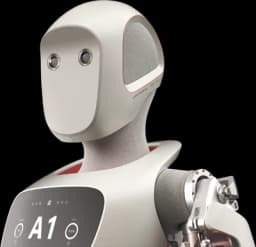
Apollo
Apptronik
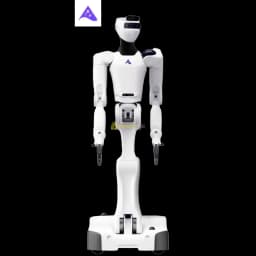
Astribot S1
Stardust Intelligence
DNA Fingerprint Overlay
Apollo Astribot S1
Specifications
Target <$50,000 at scalePrice$100,000
173 cmHeight170 cm
72.6 kgWeight80 kg
—DOF36
25 kgPayload10 kg
4hRuntime5h
—Speed—
YesStairs—
NoLiDARYes
Google DeepMind Gemini integrationComputeLinux-based
Pros and cons at a glance
Apollo
Pros
- High rated payload (25 kg) for industrial pick-and-place
Cons
- Still in development, no commercial availability
- Unit price not publicly disclosed (quote-on-request or enterprise-only)
- Closed software stack — no public SDK or ROS support
Astribot S1
Pros
- Shipping to customers (verified commercial availability)
- Ships with LiDAR for robust depth sensing in low-light environments
- 36 degrees of freedom — full-body articulation
Frequently asked questions
How do Apollo and Astribot S1 compare on price?
Apollo: Target <$50,000 at scale. Astribot S1: $100,000. Only one of the two has a public unit price; the other publishes a range or enterprise-only terms.
Which has higher payload: Apollo or Astribot S1?
Apollo rates a higher payload at 25 kg vs 10 kg. Payload ratings are vendor claims and do not always include a duty cycle — peak vs sustained payload can differ significantly.
Is Apollo or Astribot S1 actually available to buy?
Apollo is in active development without commercial availability. Astribot S1 is shipping to customers. Status reflects the vendor's published commercial position as of the last review and can change between announcement and actual delivery.
Which is better for ROS-based development: Apollo or Astribot S1?
Apollo has no ROS support; Astribot S1 has ros2. For research and multi-vendor robotics stacks, native ROS 2 is the strongest signal of ecosystem maturity.
Does Apollo or Astribot S1 use LiDAR?
Astribot S1 ships with LiDAR for depth sensing; Apollo does not. LiDAR adds cost and complexity but improves obstacle detection in low-light or low-contrast environments.
Last updated: 2025